The Lucky Streak Is a Story, Not a Signal
A lucky streak in Tiền Giang can turn a café conversation into a shared moment. Learn how to hear local luck-talk, join in kindly and keep it in perspective.
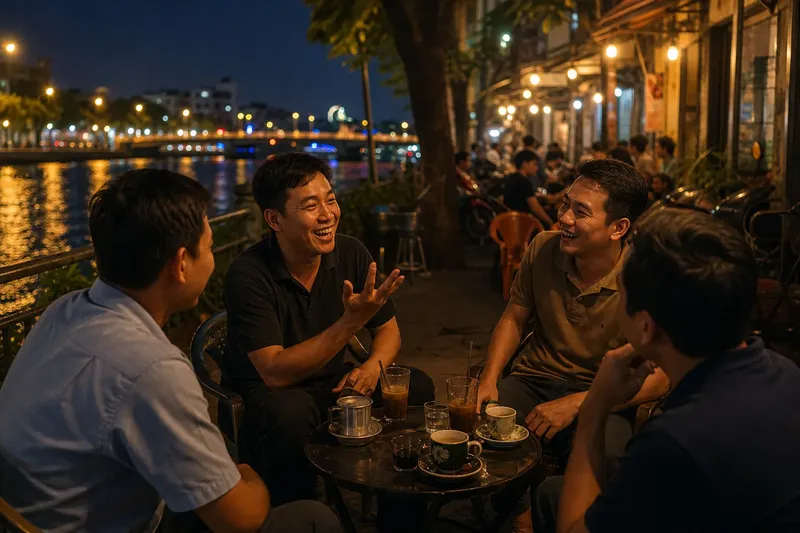
Over coffee in Mỹ Tho, a friend calls a player “đỏ” after a run of good fortune, and someone else answers with a grin. A lucky streak in Tiền Giang can become a conversation as much as a recollection of play. The words, tone and company shape the story; they do not tell anyone what will happen next.
Local luck-talk depends on tone
In Vietnamese, “đỏ” and “đen” can be used figuratively for good and bad fortune. In a particular conversation, though, their force depends on the speaker, the relationship and the moment. A local speaker may hear celebration, teasing or frustration where a visitor hears only a literal description.
Someone might call a friend “đỏ” to mark a fortunate moment, while “đen” might be a rueful way to describe a disappointing one. Those readings are possibilities, not fixed rules for every Tiền Giang table. If you are unsure, listen to the surrounding exchange or ask a trusted local speaker what the phrase means there.
Notice the tone before deciding whether to join the joke.
A retold streak is shaped by its audience
When a person recounts a striking run, listeners may respond to the suspense, a funny reaction or a phrase that caught their ear. That gives the group something to talk about beyond the result itself. The story’s appeal is in the shared conversation, not in offering a forecast or a technique.
Imagine a group leaving a riverside venue in Mỹ Tho and stopping for coffee. One friend tells how a player reacted to an unexpected turn; another imitates the expression, and the table laughs. The resulting moment is an exchange among friends, not advice about how to play a later game.
If you join in, respond to the detail or reaction the group is enjoying.
Choose a response that suits the room
People differ in how much attention they want after a win or a loss. A gentle joke may be welcome to one person and uncomfortable to another. Let the player’s response guide you, and change the subject if they seem reluctant to continue.
- If the player is smiling and joining the joke, then offer a light congratulation; if they look uncomfortable, then leave the result alone and ask about something else.
- If a teller says they witnessed a particular moment, then respond to that detail; if they say they heard it from someone else, then treat it as second-hand and avoid presenting it as your own observation.
- If “đỏ” is being used with a playful tone, then keep your reply light; if “đen” comes with visible frustration, then offer sympathy or change the subject rather than making the loss a punchline.
- If the group is sharing funny reactions, then add a brief comment about the scene; if the talk shifts towards predicting another result, then bring it back to the story people remember.
- If the teller seems keen to continue, then give them room to finish; if they pause or turn away, then follow their lead instead of pressing for more details.
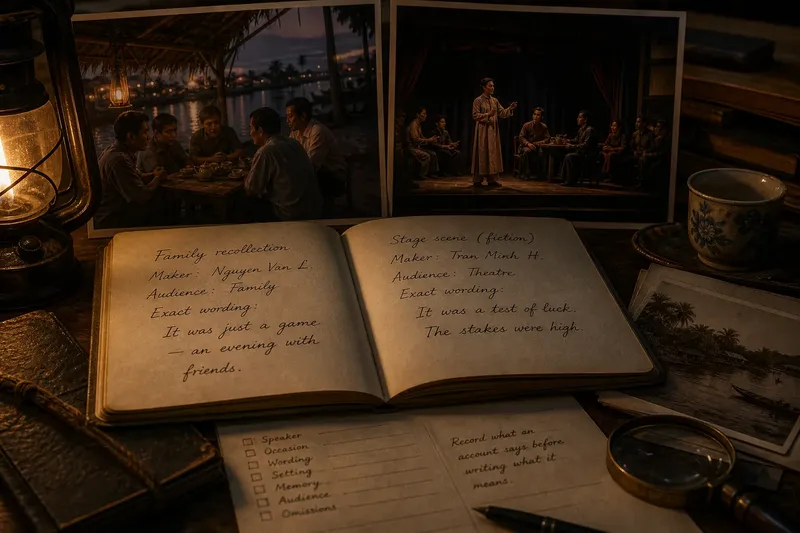
- If you retell the episode later and remember who told it, then say whose account it is; if you cannot distinguish what you saw from what you heard, then leave that detail out or say you are unsure.
Match your response to the person, not just to the punchline.
Questions people ask about a lucky streak in Tiền Giang?
What does “đỏ” mean in a conversation about luck?
It can be a figurative way to describe good fortune, but its tone depends on the conversation. Ask a local speaker if the intended meaning is unclear.
Does “đen” always mean someone is seriously upset?
No single reading fits every exchange. It may sound rueful, playful or genuinely frustrated, so pay attention to the person’s tone and response.
Why do friends retell a lucky streak?
A surprising turn or memorable reaction can give a group a compact story to revisit. The retelling can be about the shared amusement rather than the game’s result.
How can I join the conversation without offering gambling advice?
Ask what happened next, respond to a funny detail or acknowledge how the person felt. Keep the exchange about the remembered scene rather than treating it as a way to predict a future outcome.
Keep the conversation grounded in the evening
Say you hear a friend describe a player as “đỏ” after an unexpected run. You ask whether they saw it themselves; they say they heard the story from another friend. You reply, “So it’s a second-hand story, but the reaction sounds memorable,” and ask what made everyone laugh. That keeps the account’s source clear while giving the group room to enjoy the anecdote.
For a natural exchange about a lucky streak in Tiền Giang, listen for who is speaking, how they use the words and whether the person at the centre of the story welcomes the attention. Those cues help you respond warmly without turning a conversation about chance into a claim about what comes next.